← InsightsSE Asia
Building v Borrowing Two People Who Live On Tips. A Rich World Living On Credit
David Thomas
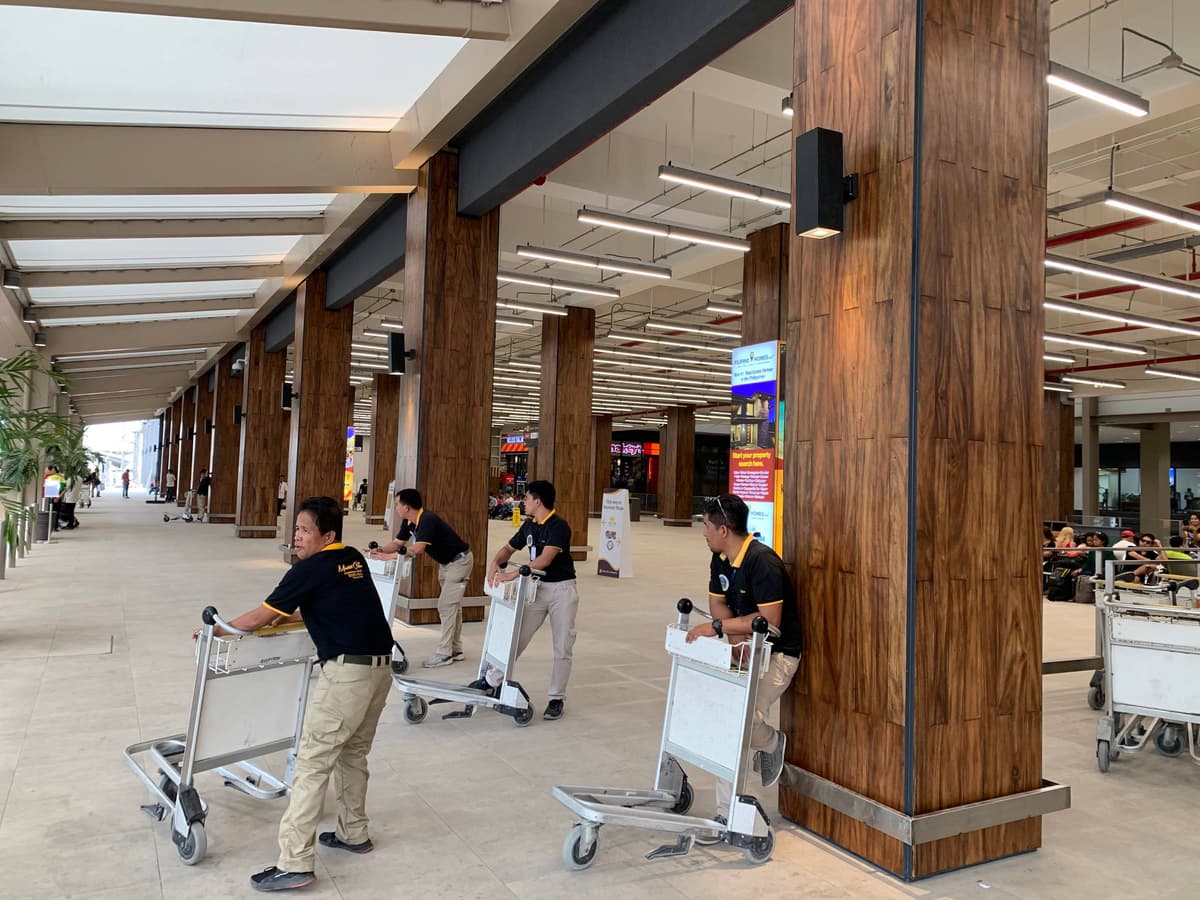
You land at Cebu domestic airport and a line of porters is waiting at the door. They smile, and offer to take your bags out to the car. I used to wave them away. The bags have wheels. I can manage.
Then someone explained the arrangement to me. They aren't paid a wage. They arrive at six in the morning, stay all day, pay the union for the right to stand there, and live entirely on tips. A hundred pesos a time (US$1.60). On a good day, two jobs.
My caddy last week was the same. Six children under sixteen, a husband at home looking after them, a thousand pesos (US$16) if the golf is good. She drove the buggy and, despite the heat, she still read the greens better than I did.
Both of them turned up smiling. Neither asked me for anything.
Now look at the other end of the corridor. The four bedroom house, two cars in the driveway, the school fees, the renovation, the holidays. Most of it is funded by debt.
In the developed world, households carry debt worth 67% of GDP. Here it is 11%. Governments in those same countries carry another 110% on top, and in the United States federal debt alone is over 120%. The IMF keeps revising the year it expects global public debt to pass 100% of GDP, and it keeps moving it closer.
It looks like wealth. It's a show.
Here is the part visitors miss. Nobody at that airport thinks this is permanent. The tips send children to school, and the caddy has a plan that isn't caddying. And it goes a long way beyond tips. More than two million Filipinos are working abroad right now as nurses, carers, seafarers, cleaners and maids, and last year they sent home almost forty billion dollars. Every dollar earned in someone else's country, by people who gave up living in their own, and posted back to pay for a roof that doesn't leak. No department runs it. It is a national effort, organised family by family.
Aspiration here is enormous. It is funded out of hard earned income, not credit.
One side is building. The other is borrowing.
PS. More from the corridor here: https://www.linkedin.com/in/davidthomas-asia/