Cross Cultural Advisor

He Knows the Corridor Because He Spent Three Decades Walking It

David’s understanding of the region comes from active commercial work rather than academic study. He has spent three decades executing transactions inside these markets, and he brings that direct experience straight to your audience.

The Long Way to the Corridor

The Road That Built the Frameworks

Every framework David teaches was earned the hard way. This is the timeline that built it.

  1. London

    The beginning.

    David grew up in a family already tied to Hong Kong at a pivotal moment. His father, Michael Thomas QC CMG, and his stepmother, Baroness Lydia Dunn, were part of the city's leadership just as the old rules were ending and the new ones hadn't been written. David had a front-row seat before he ever went into business.

  2. Hong Kong

    The handover years.

    When Britain handed Hong Kong back to China, David wasn't watching from afar. He was living there, inside one of the biggest political and economic shifts of the century as it happened.

  3. His Own Firm

    1988–1995

    David ran his own wealth-management firm in Hong Kong. Not an internship, not a junior job, his own business, built inside the market he was still learning.

  4. First Trip into Beijing

    1989

    His first look at mainland China, the market that would soon make him look, on paper, like an early expert.

  5. The Pain Point

    Ten Years Wrong

    On paper, that all looks like a head start. In reality, it was the beginning of ten years of getting Asia wrong. David struggled for a decade before it finally clicked. He tells that part not for humility, but because it's exactly why he understands, first-hand, why advice from the outside so often fails.

  6. The Pivot

    The Reinvention

    That hard decade built a career. David became one of Australia's most in-demand China speakers, around twenty keynotes a year, several books, and regular bureau bookings. Then COVID hit, and the Australia-China relationship fell apart at the same time. His bookings dropped from twenty a year to zero, almost overnight, and none of it was about the quality of his work. Rather than wait for China to come back into fashion, David moved to the Philippines and kept working across the region.

  7. The Realisation

    The North-South Corridor

    A speaking booking in Ho Chi Minh City changed everything. The response was so strong it showed him the old China-only story was the wrong frame. The real story was bigger: a route of money, trade, and trust running from China down through Southeast Asia to Australia and New Zealand. He named it the North–South Corridor.

  8. SE Asia

    Today

    David lives and works in the heart of SE Asia, inside the corridor he speaks about, not flying in for a week from somewhere far away.

The Point of All of It

Your Approach Has to Change

Executive teams continue to evaluate the region from a distance, relying on old business plans that no longer produce results.

David has spent thirty years at the coal face of the North–South Corridor, so when I speak to your audience or your board, they walk away with an insider’s read they can actually act on.

Beyond the noise, from the coal face, that’s the whole idea.

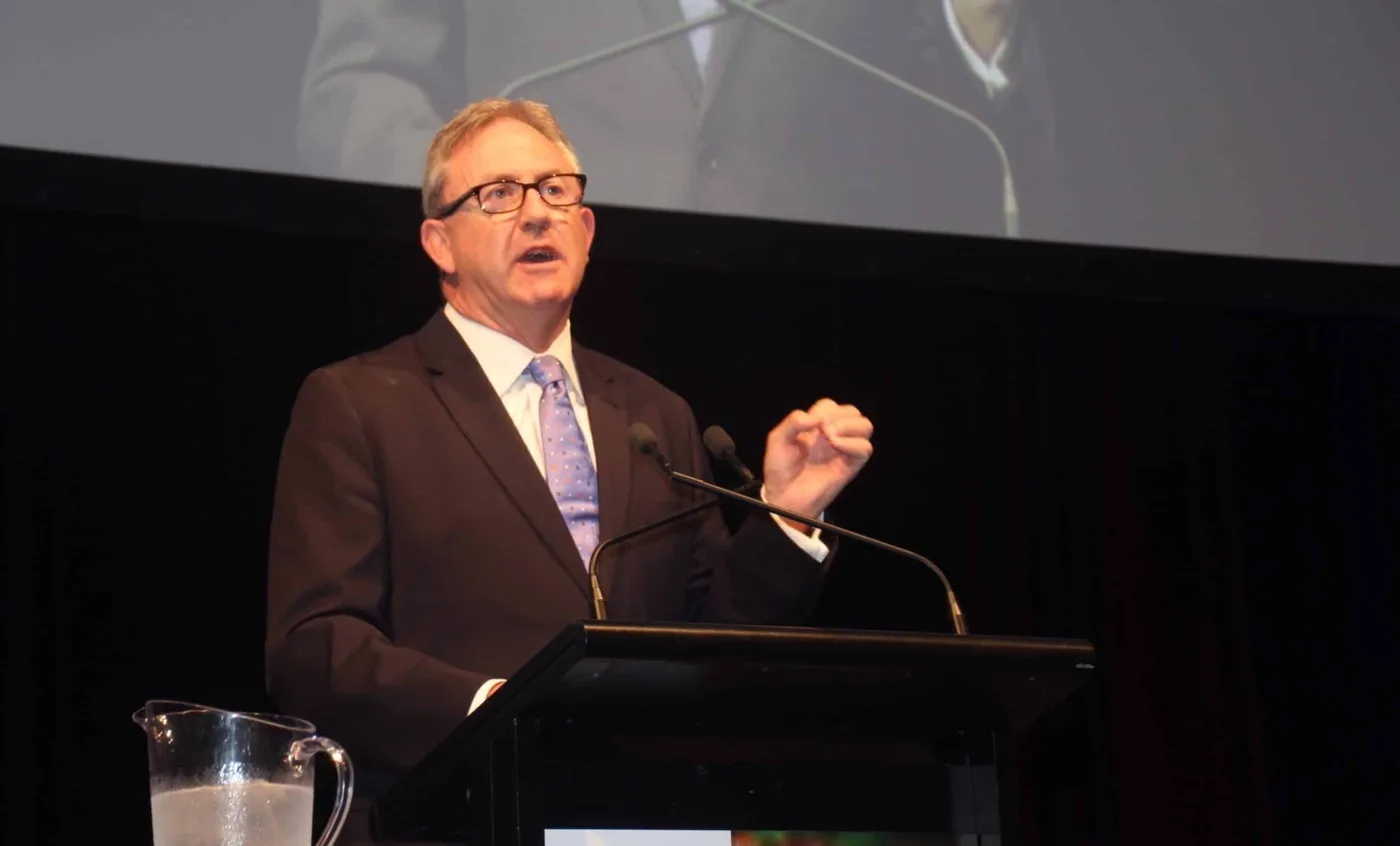
David Thomas speaking from a lectern, mid-sentence, with his keynote projected on the screen behind him

Built by Experience

The Frameworks

David built his frameworks on the real commercial mistakes of his early career. He shares those lessons so your team can avoid the trial and error and get straight to execution.

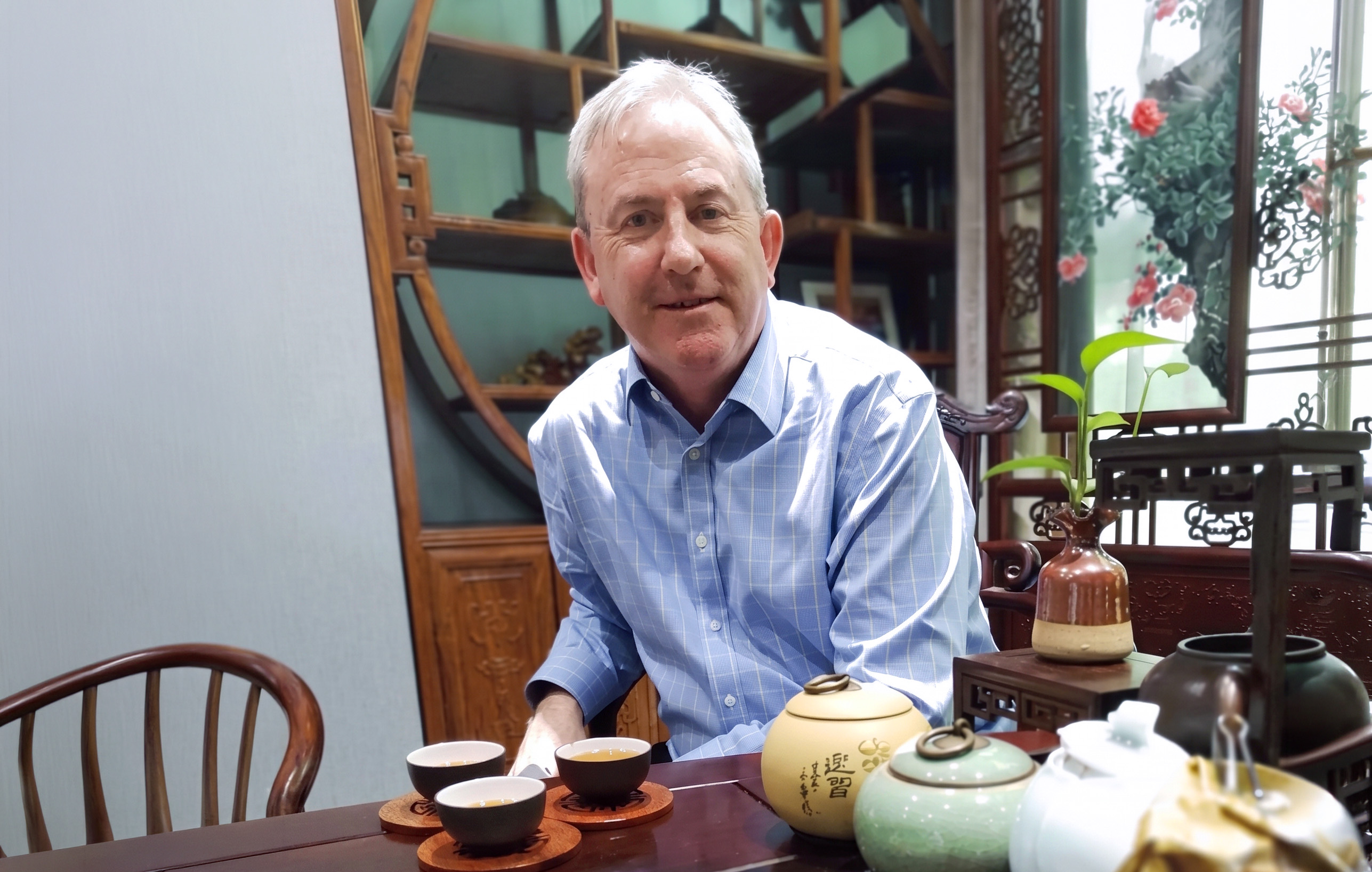
David Thomas at a Chinese tea table, three cups of tea poured in front of him

The Rules of Asian Business

Three Cups of Tea

Stranger, Friend, Family, the trust sequence that decides whether a relationship or a deal in this region ever gets past its first meeting. Thirty years of watching deals stall or succeed on trust alone taught David this sequence long before he ever wrote it down.

  • 1Stranger
  • 2Friend
  • 3Family
See the keynote →
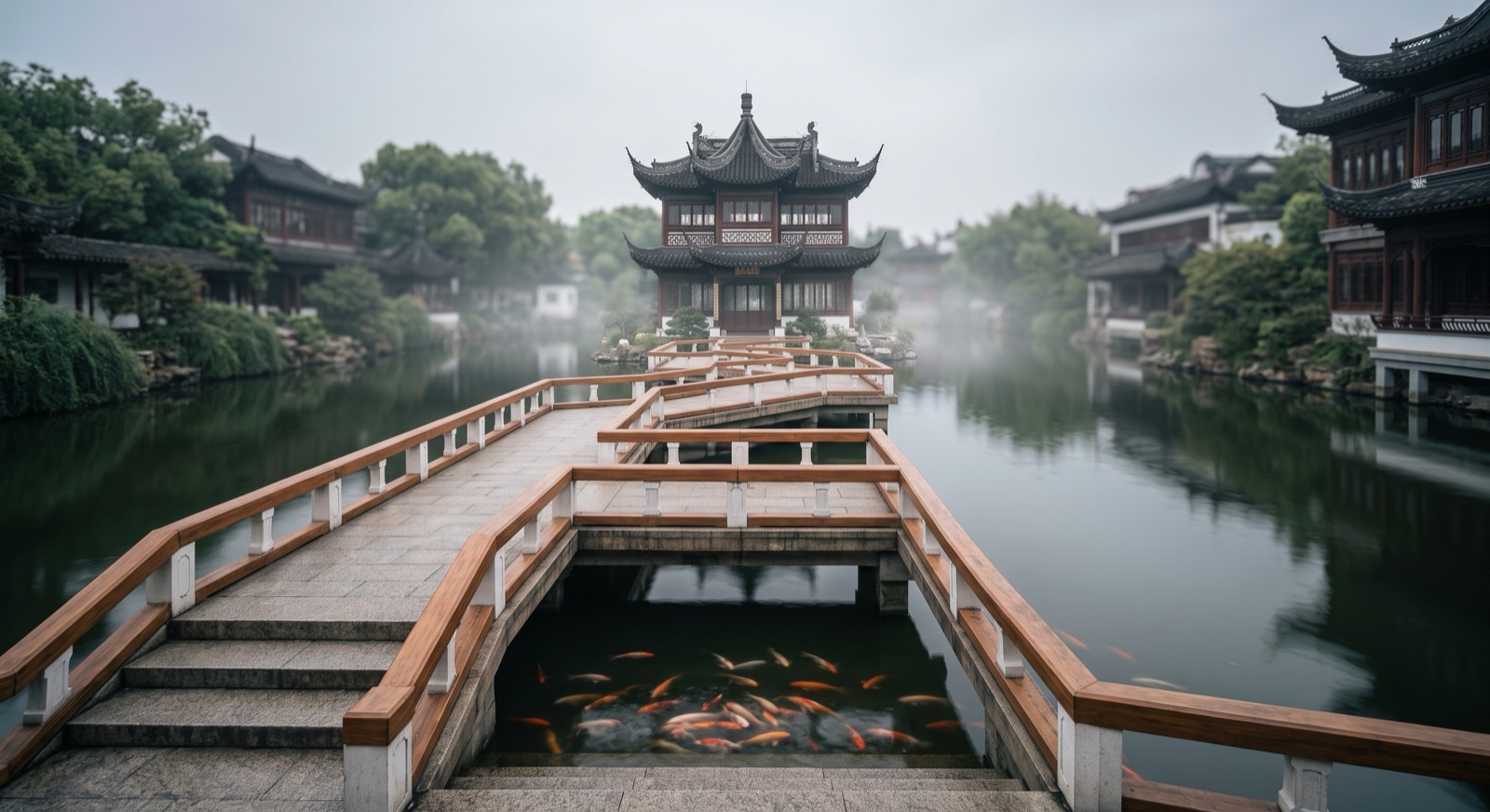
The zigzag Nine Bend Bridge leading to the Huxinting Teahouse, koi in the water below

The Market-Entry Framework

The Nine Bend Bridge

Shanghai's Yu Garden has a zigzag bridge to the old teahouse. Some say the bends keep evil spirits out, since they only travel in straight lines. Others say they're there to slow you down enough to notice the water and the view. David uses that bridge as his model for how business really works in Asia. It takes time, there are bends along the way, and you bring people with you as you go. Every bend hands you something worth having before you reach the end. That is the promise behind the framework: every bend pays you back.

See the keynote →

The Core Philosophy

W.E.Y.O.

The biggest challenges, and the biggest opportunities, are never solved by one side of the world or one generation working alone. Real progress happens when four forces sit at the same table: West and East, Young and Old. David calls this WEYO: combining the creativity of West and East with the courage of youth and the wisdom of age.

How it all connects:

  • WEYO is the whyThe cross-cultural, inter-generational philosophy
  • The North-South Corridor is the whereChina → Southeast Asia → Australia & New Zealand
  • The Nine Bend Bridge is the howThe phased market-entry roadmap
  • Three Cups of Tea is the trustThe relationship sequence

These aren’t separate, competing topics. They are four parts of a single, unified read on Asia.

Book David Thomas

Bring the Insider’s Read to Your Stage

Give your audience thirty years on the ground in Asia, first-hand, current, and impossible to get anywhere else.

Book a Discovery Call