A comment on my new Ground Level: Vietnam newsletter taught me something new this week. After nearly 40 years working in Asia, I didn't expect that.
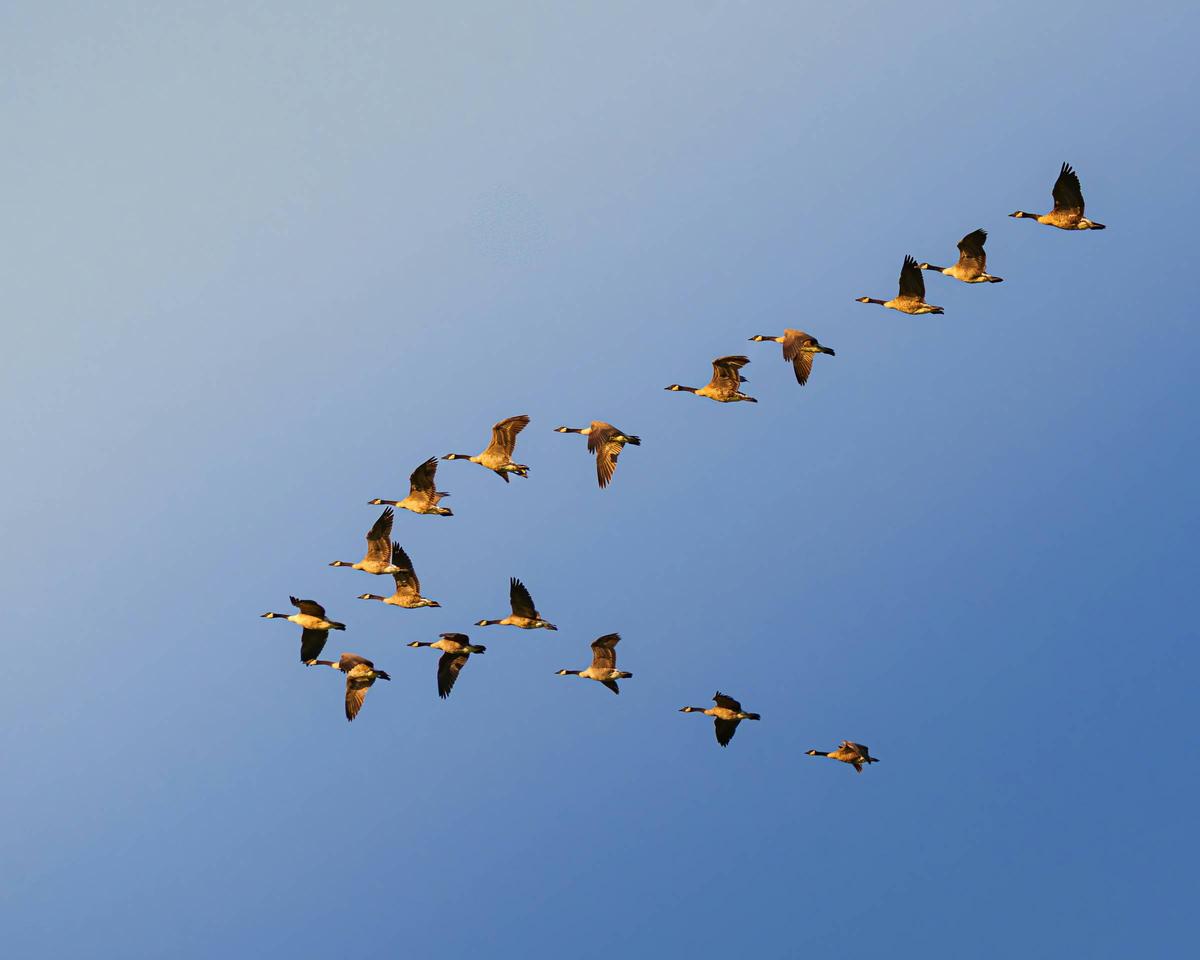
Kim Peters, an international school leader, wrote that what I'd described reminded her of 'The Flying Geese model'. This was new to me so I had to look it up.
The idea is that Asian economies develop in a V formation. Japan led and the others followed. As each one got richer, it handed its factories to the goose behind and moved on to harder work.
Kim has lived it. Born in Korea, Japan in 1994, China in 1996, Vietnam, and most recently India.
The Japanese economist Kaname Akamatsu described it in the 1930s, half a century before I arrived in Hong Kong.
In 1987 we had our own animal. Investing in the 'Asian Tigers'. Hong Kong, Singapore, South Korea and Taiwan. Everyone understood it. It was a dinner party conversation, and it formed a large part of every client portfolio in those days.
Nobody says it now. The Asian crisis took the shine off, and the word slipped quietly out of fashion.
Akamatsu's geese explain where they went. The tigers didn't disappear. They're rich economies now, near the front of the formation. Behind them it runs through China and on into Southeast Asia, too long and too varied for any one animal.
In 1987, the word 'tiger' was enough to sell Asia. Today no word is big enough.
PS. Last week I launched a second, shorter newsletter just on Vietnam. Ground Level: Vietnam is one story from the street every two weeks, and why it matters. The second issue will be out soon. It’s a separate list, so you’ll only get it if you sign up here.